Urban Zoo Sketching
Looking for ways to become a more well-rounded artist?
Sometimes, it’s beneficial to ‘break tradition’ and boost creativity by trying your hand at something different.
In our Urban Zoo Sketching course, Ian shares some incredible tips for sketching animals, that will help to develop, stretch, and hone your skills.
Here’s just a few of the top tips for sketching animals that we learned whilst filming the course.
It all starts with looking
It all starts with looking. When you really observe wonderful and endangered species, you start to see their story unfold…
You notice their creases, their lines, their patterns, and their textures.
You see first-hand their quirky mannerisms, their cheekiness, and their unique personalities. And you begin to understand how each creature has evolved over thousands of years.
And as you observe and learn, you discover more.
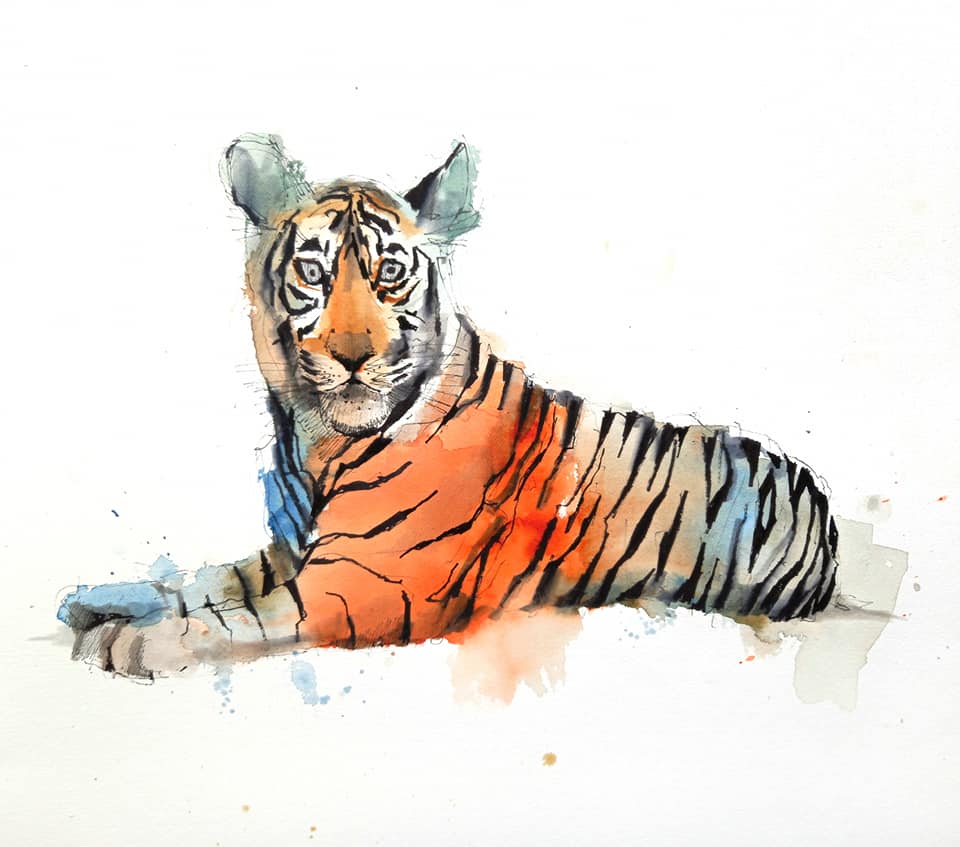
Observe the animals in their own 'habitat' before you sketch them
You could sketch pictures using only photographs, but by taking the time to visit the local zoo, you can observe and understand these majestic creatures at a deeper level.
By looking closely, you can gain a better sense of the shape, volume, and 3-dimensional qualities of each animal. Observe the texture of their skin and start to pick out the visual features that you want to weave into your sketches to tell the story you want.
This will also give you the opportunity to work out what materials you can use to best express each animal’s unique characteristics and personality.
Learn some interesting facts
During the filming of the Urban Zoo Sketching course, Ian discovered from a zookeeper that a lion’s roar can be heard from up to 5 miles away!
Of course, you can’t capture ‘noise’ in your sketch, but understanding interesting facts about your subject adds a new dimension to your work.
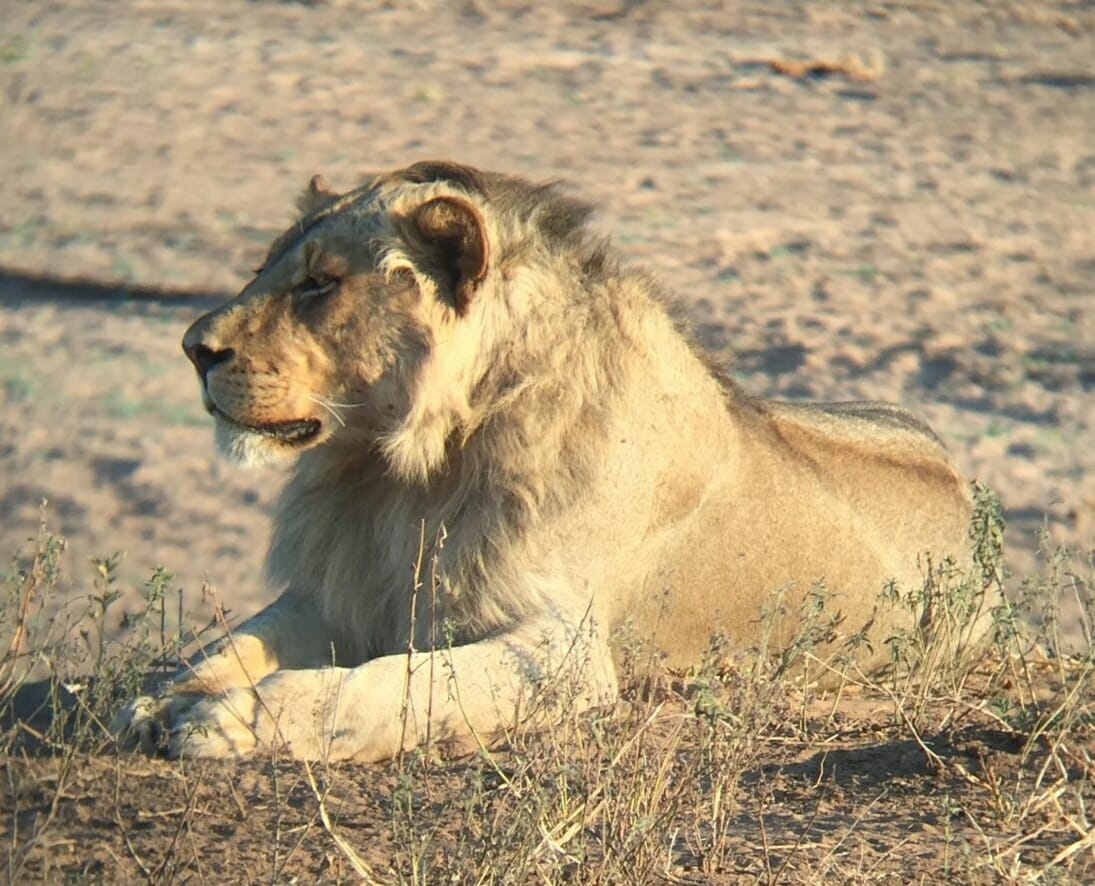
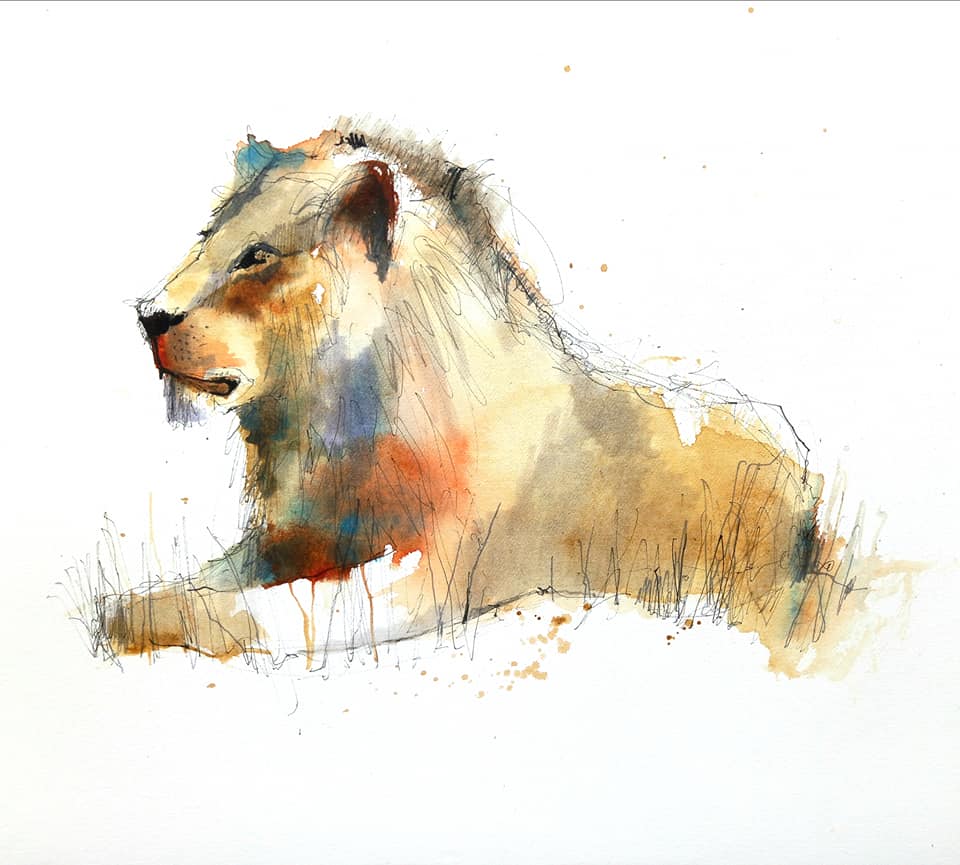
This particular detail was a strong reminder to Ian that a lion truly is at the top of the animal hierarchy. And he used this knowledge in his choice of materials and colours to express the raw power of this majestic creature.
Start with a pre-sketch
In your rough sketch, consider the different angles you might sketch the animal from. Start with big shapes and watch your proportions.
Reference the texture of the animal’s skin. Emphasize its shape, and even make a note of how the light is casting on it, along with the shape of the shadow it is creating.
This detail will prove invaluable when you sit down to start your sketch.
Take your time
Some of the textures on animals such as fur and scales can take a while to draw, but it’s important to pay attention to all areas of the animal and not just the face, and of course, have fun in the process!
Go at a pace that you feel comfortable with and remember that you can always step away from the sketch for a while and come back to it with fresh eyes.

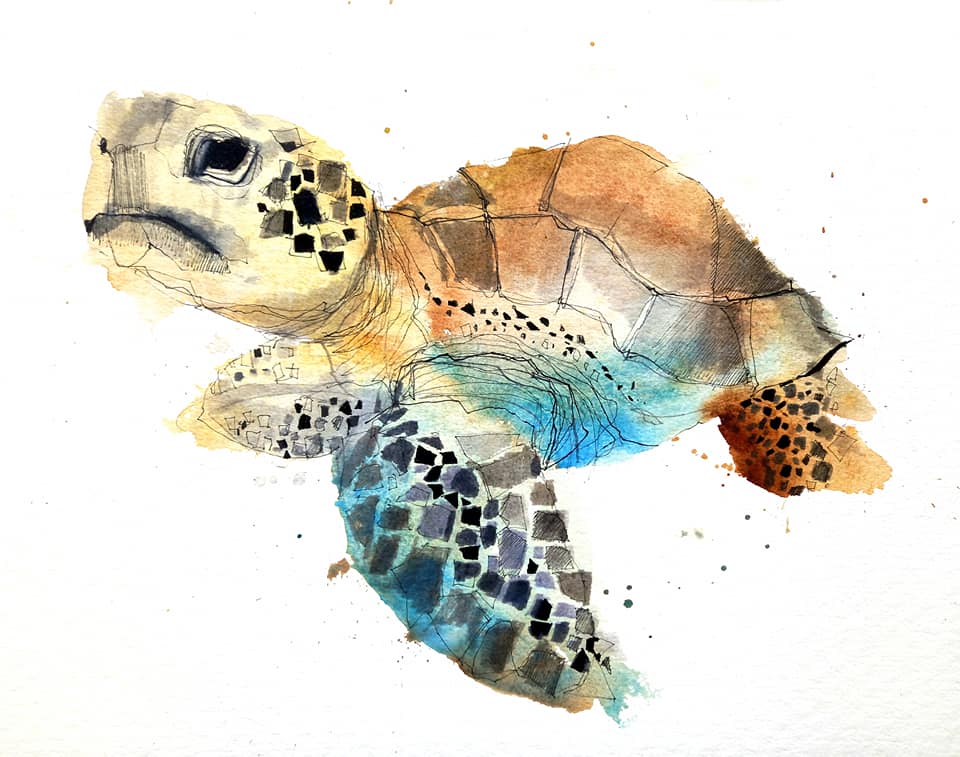
Interested in animals?
You can learn more incredible tips for sketching animals and follow along with step-by-step lessons with Ian by joining us in our Urban Zoo Sketching course.
Watch the course video below for a sneak peek!
Did you enjoy this article?
Thanks for your feedback!