
In this guide, Ian dives into one of the most exciting aspects of sketching—choosing and applying colours. Whether you're a beginner or looking to refine your technique, his tips will help you enhance your creative process.
Record local colours
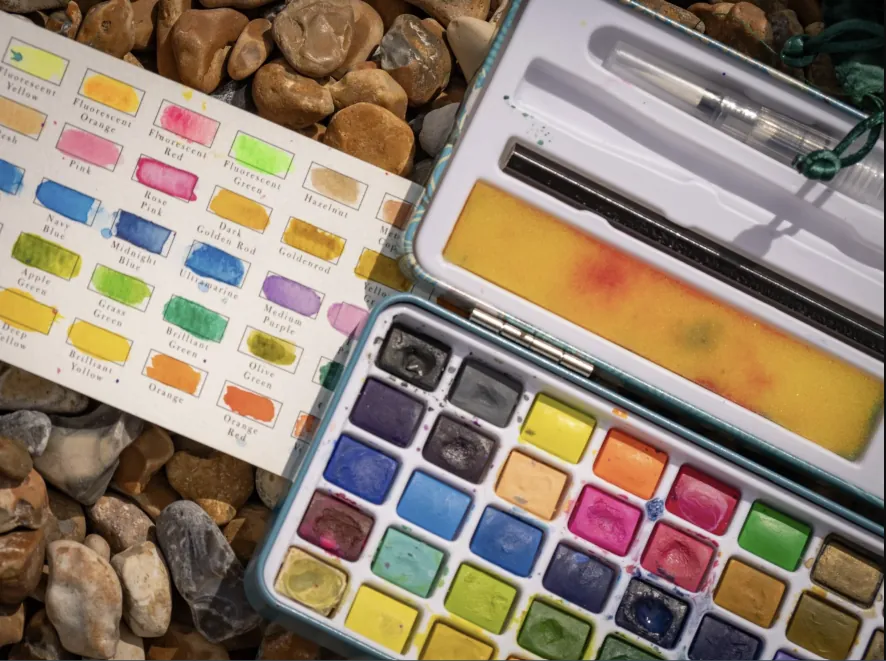
Looking at your instant surroundings and picking out any key colours is a great place to start. From the brown of a building, to the red of a bus, to a sign in a window, take a good look around and see if there’s anything that you connect with in terms of colour.
You can also think about the general colours associated with the location you’re in. For example, London might make you think of red, blue, and white. Whereas the rolling hills of Wales might bring up thoughts of natural greens and blues.
“I try and pick a local colour to begin with, something that I can actually see in the location in front of me. Let’s say brown for example, as that is often on the buildings. Then I will pair it with a complimentary colour, such as a blue to see how those colours play together. This then gives me an idea of what colour I think would go within the scene next. “”
– Ian Fennelly
Use the experience of the day
How are you feeling while creating your sketch? Are you feeling the warmth of the sun on your skin, or maybe you're shivering from a chilly breeze? Are you excited and full of energy, or perhaps a bit frustrated because things aren’t going quite as planned? Whatever emotions or sensations you’re experiencing, don’t just keep them to yourself—use them in your colours!
“Use what you’re feeling, the temperature, your energy levels, your confidence and your familiarity with the subject.”
– Ian Fennelly
Have fun
Colours can be incredibly intuitive and personal, so it’s important to keep an open mind when working with them. Don't feel restricted by traditional colour rules or what you think a scene "should" look like. Instead, let your creativity flow and have fun experimenting with different combinations. There’s something liberating about giving yourself permission to play with colour, to see where it takes you, and to embrace the unexpected results.“It’s starting off with local colour, it’s using the qualities of the page to make a picture and it’s also how you’re feeling. All those things are working together all the time, but running throughout all of that, is that desire to have fun, and just to play and to see what the colours can do themselves.”
– Ian Fennelly
- More Blog Posts -
What’s in Our Students’ Bags: Sketching Kit Tips from the PLUS Community
Makeup rolls, folding stools, bulldog clips and even a collapsible dog bowl. Here are the paper, bags, pens and seating tips our students swear by, in their own words.
Read more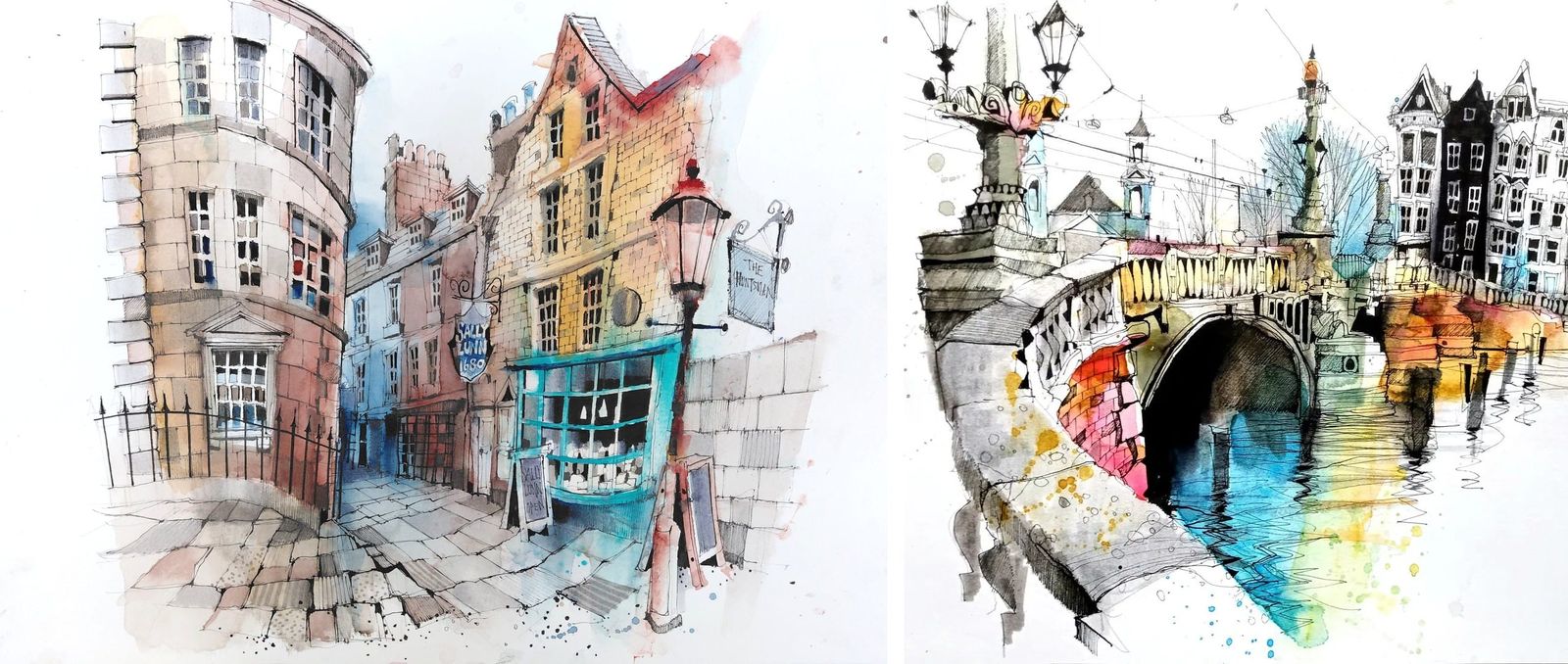
Change the Colour, Change the Story
Ian’s 4 reasons for every colour he picks, and how they played out in six very different places.
Read more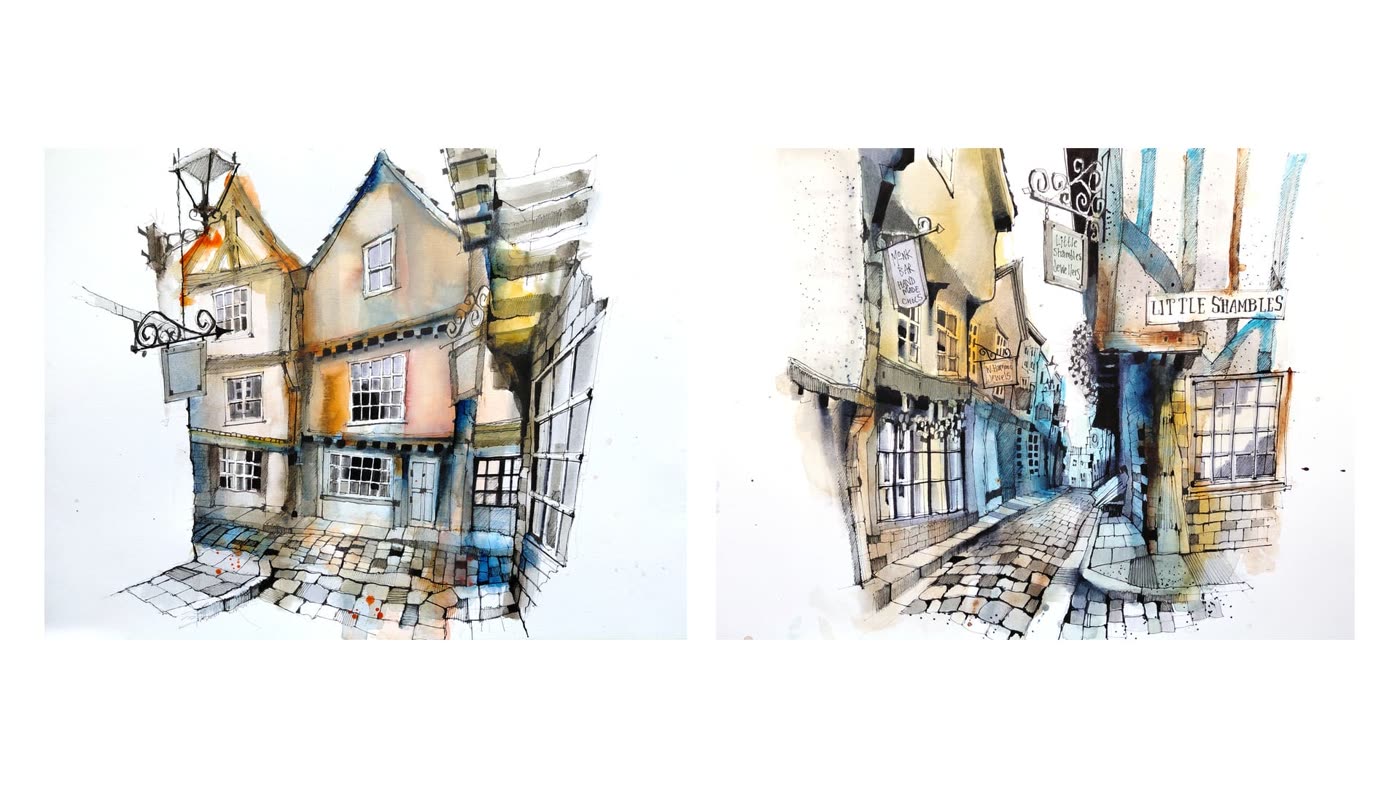
Ian’s Map of York: How to Find Five Sketches in One Small Patch
Ian found all five York workshops a few minutes’ walk apart. The trick wasn’t finding new places. It was standing somewhere new.
Read more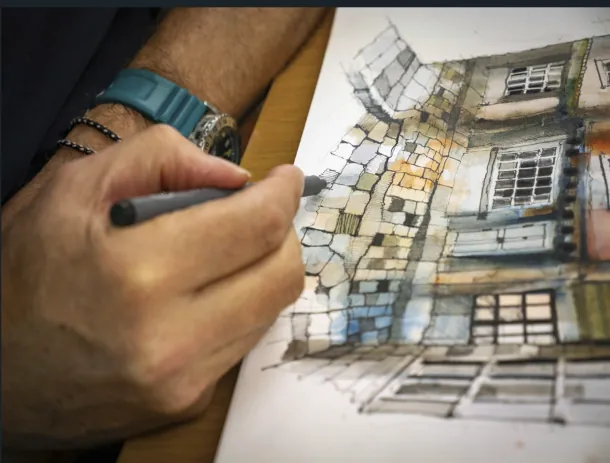
Why Hatching Goes On Top of the Paint
You don’t have to plan for texture at the start of a sketch. Ian puts his hatching on last, over the paint, and it does three jobs at once.
Read more